












February 06, 2026
AI-Empowered Rural Education: Eight Years of Practice at a Rural Primary School in China
Since 2018, iFLYTEK has been deeply involved in the development of a smart classroom pilot at Tongxin Primary School in Jinzhai County, Anhui Province. Targeting the needs of this remote, resource-constrained rural school, iFLYTEK introduced an integrated teaching system that combines AI technologies, intelligent hardware, and digital learning resources.
Over eight years of sustained practice, AI has become embedded across the school’s daily teaching activities, gradually driving a shift from traditional chalkboard-based instruction to a more digital and personalized learning model. This transformation has expanded students’ access to high-quality educational resources through digital channels, helping bridge gaps in rural education.
AI in the Classroom: From Assistive Tool to Teaching Partner
For younger teachers and those teaching across subjects, AI is no longer merely a supportive tool. It has become a day-to-day partner, woven into everything from lesson planning and classroom teaching to follow-up and feedback after class.
Before class, teachers facing demanding lesson requirements can quickly pull together high-quality teaching materials and planning tools through the system. This allows them to prepare lessons outside their own subject expertise more efficiently, while receiving practical suggestions on content structure and classroom activities.
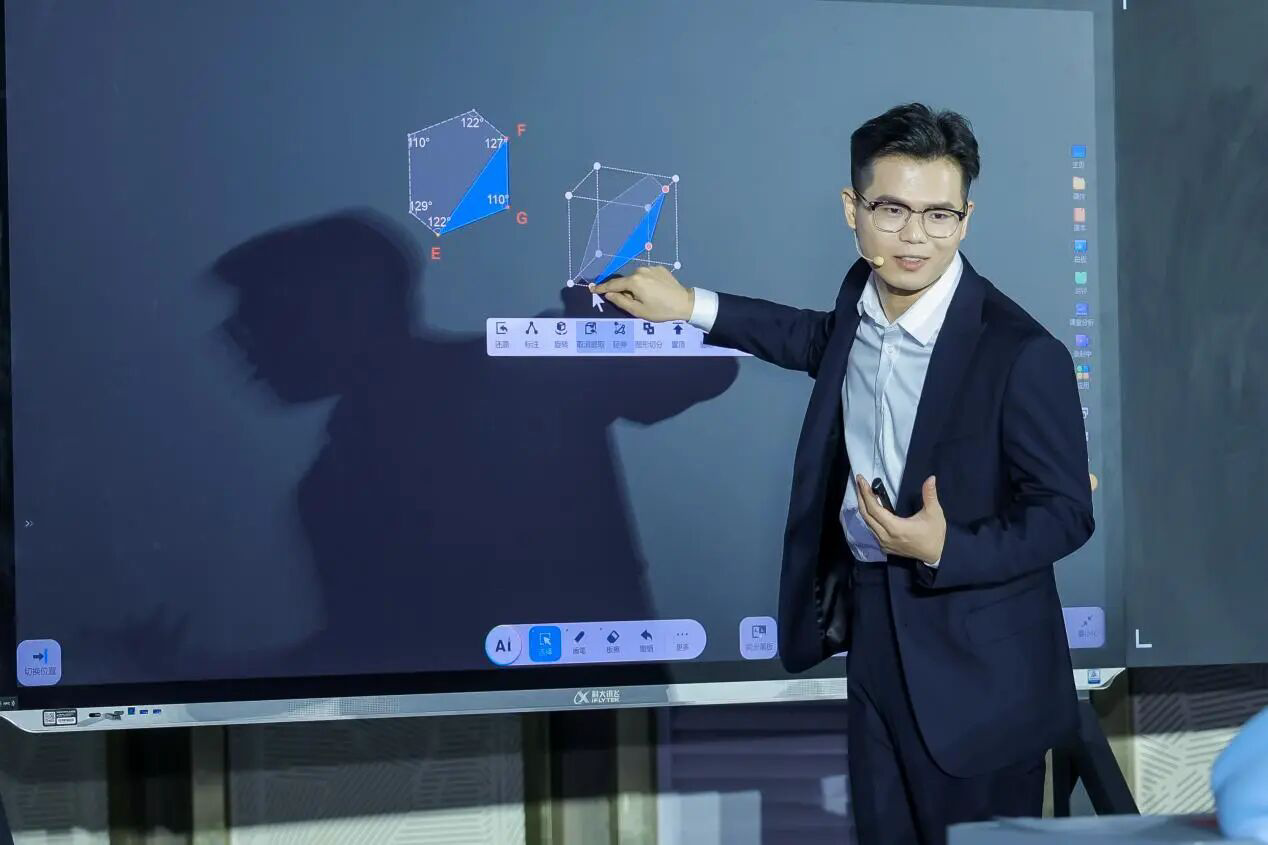
During class, smart tablets enable teachers to switch seamlessly between multimedia materials, launch quick-response quizzes or random student call-outs, and give immediate, encouraging feedback—helping create a classroom atmosphere that is both lively and well organized.
After class, the system automatically handles homework marking and learning analysis, generating visual reports and personalized error collections. These insights help teachers pinpoint learning gaps and adjust their teaching more precisely.
By supporting lesson preparation, classroom teaching, and assessment as an integrated whole, the AI teaching system eases the pressure caused by teacher turnover and cross-subject instruction. More importantly, it allows teachers to focus less on routine tasks and more on what matters most—engaging students, responding to individual needs, and delivering high-quality learning experiences.

AI-Driven Learning: From Providing Resources to Learning Guidance
For students, AI is embedded across the full learning journey, supporting both active participation in class and independent growth beyond the classroom.
In class, students use smart tablets to take part in real-time activities such as quick-response questions and random call-outs. These game-like interactions help deepen understanding while providing immediate feedback and positive encouragement.
Beyond the classroom, AI becomes a personal learning companion. The system offers rich pre-study materials and adaptive practice, automatically generating personalized error collections and learning reports. This helps students clearly identify their weak areas and learn at their own pace—supporting more focused, self-directed growth.
Over time, students have demonstrated consistently strong performance in regional assessments, alongside positive developments in expression, classroom participation, and digital competence. Supported by AI, they are gaining wider learning perspectives and developing into more autonomous, confident learners prepared for sustainable growth.
AI Empowering Education: Expanding Access to Quality Learning
This case represents a practical example of AI adoption in China’s education sector. Across mountainous counties in Anhui Province, AI teaching systems have begun to reach multiple rural schools, supporting the early development of a collaborative, resource-sharing digital education ecosystem. More advanced SPARK Smart Blackboard are now capable of supporting virtual character interaction, simulated experiments, and intelligent classroom analysis, and have been deployed in schools across the country. Looking ahead, with continued efforts from multiple stakeholders, more schools are actively adopting and experimenting with new smart education solutions. Step by step, these initiatives are opening new windows for children in rural areas—helping them explore a wider world with the support of AI.
More News
-

 AI Empowering Bilingual Communication | Campus Tour Launches for the 4th Global Youth Bilingual Broadcast Announcing and Anchoring Contest
April 02, 2026
-
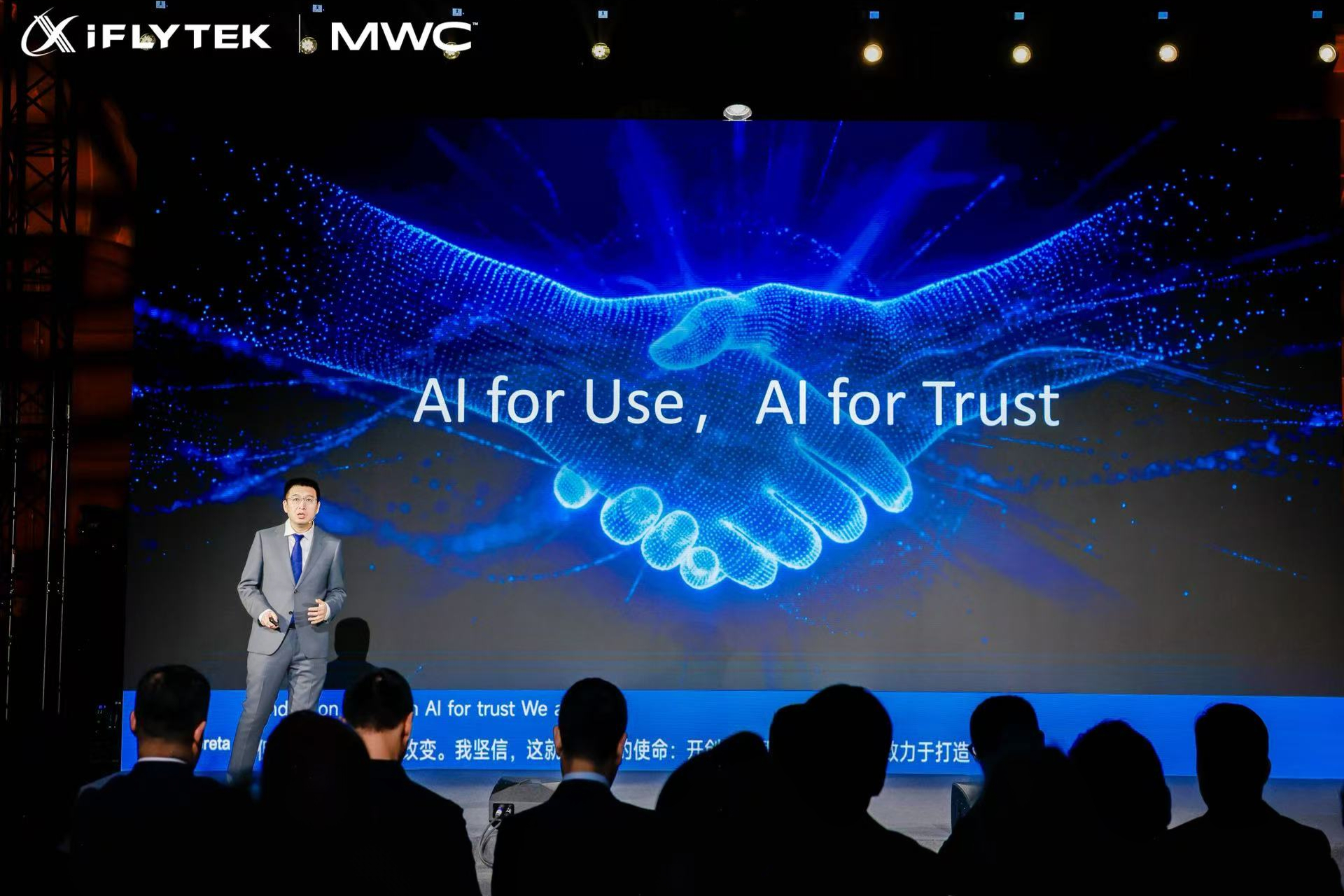 iFLYTEK Debuts AI Glasses and New AI Devices at MWC26, Advancing "AI for Use, AI for Trust"
March 05, 2026
-
 Industry First: Bluey and Other Classic English Animations Launch Exclusively on iFLYTEK AI Learning Machine
January 14, 2026
-
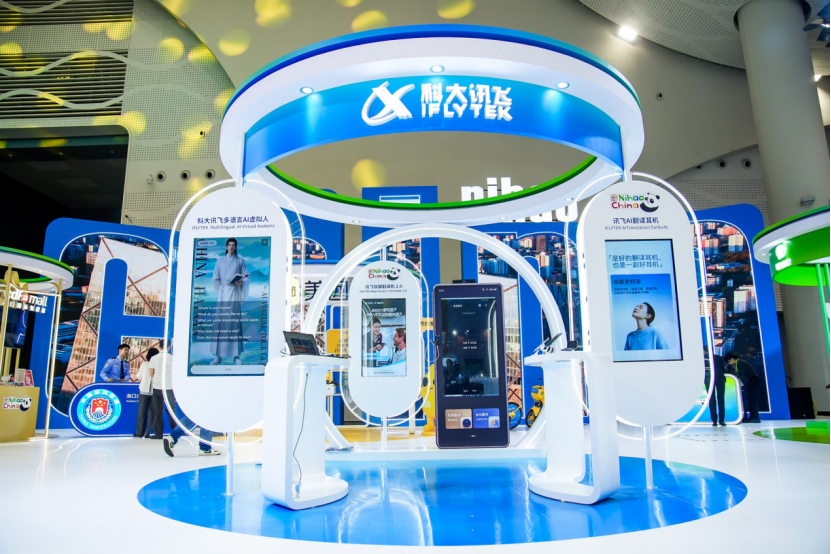 iFLYTEK Showcases at the 2025 China International Travel Mart
January 08, 2026
-
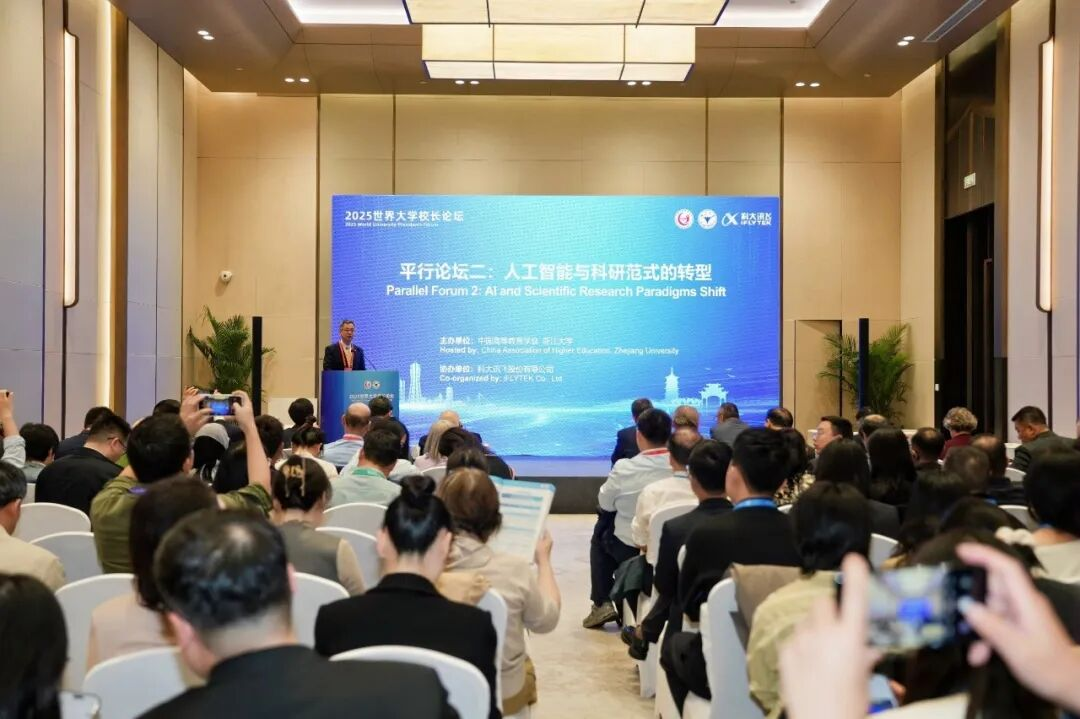 2025 World University Presidents Forum Hosts "AI and Scientific Research Paradigms Shift"
November 25, 2025
-
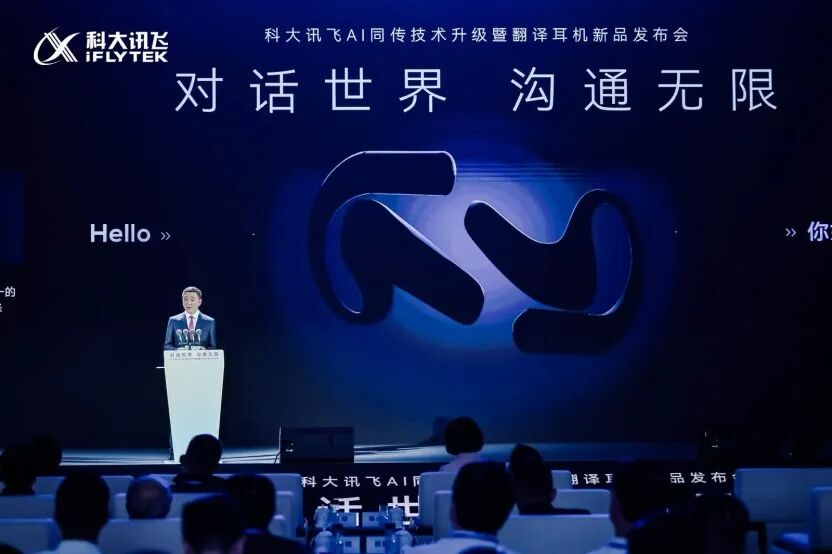 iFLYTEK Upgrades Simultaneous Interpretation Model and Launches iFLYTRANS Headsets in Shanghai and Dubai
October 31, 2025
-
 Spotlight on DMEXCO 2025: Join iFLYTEK AI Marketing to Shape the AI-Driven Future of Digital Marketing
October 22, 2025